


Permission to Rest: Why Slowing Down Isn't the Same as Giving Up
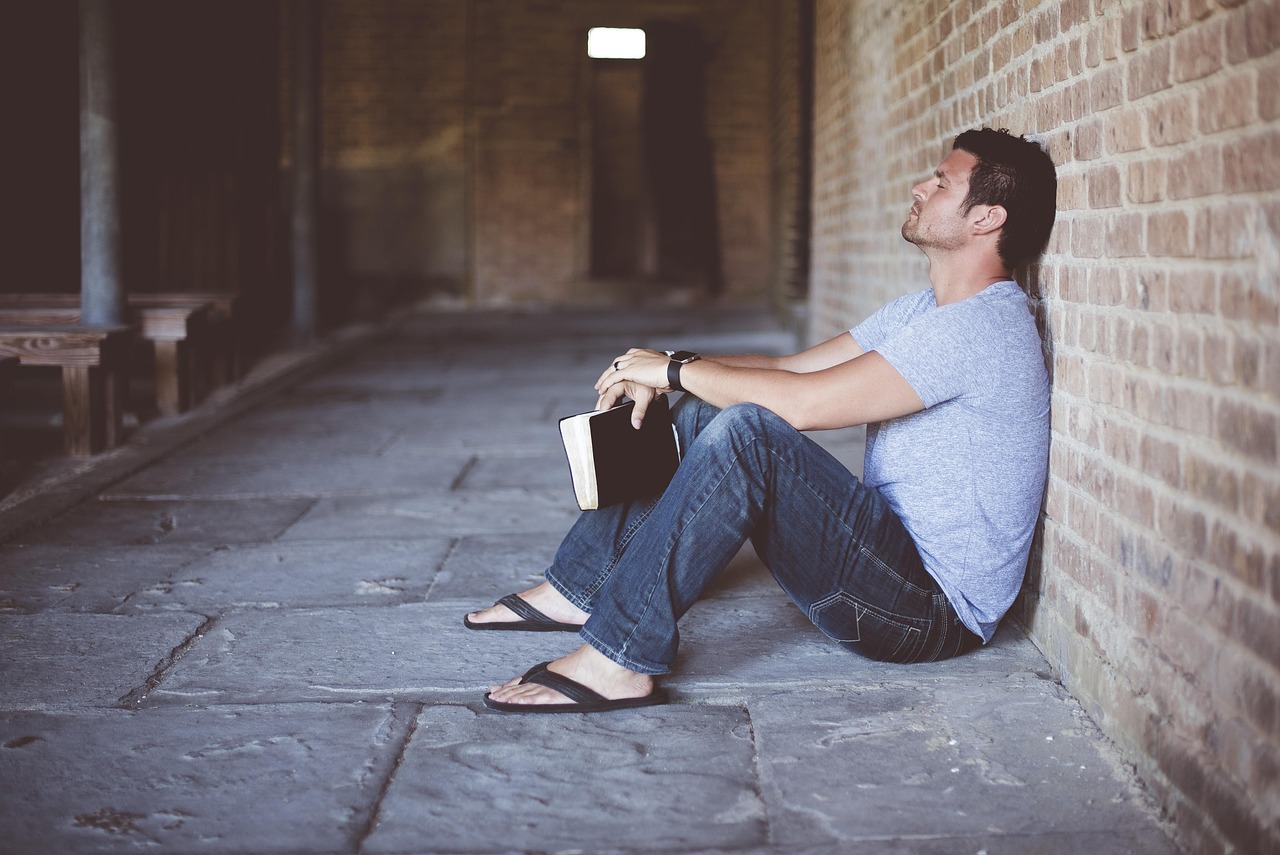
For most of my adult life, I believed rest was something you earned. You finished the project, cleaned the kitchen, answered the emails, and then—if there was time, if you were lucky, if you deserved it—you could sit down. Maybe. For a few minutes. Before the next thing.
It took a stubborn case of burnout and a very patient therapist to help me see the flaw in that logic. Rest isn't a reward. It's a requirement. Like water. Like oxygen. Like the pause between musical notes that makes the music possible at all.
But knowing that and believing it are two different things. I still catch myself feeling guilty when I lie on the couch at 2 p.m. on a Saturday. I still hear a voice in my head—mine, but older, harsher—telling me I should be doing something. Producing. Achieving. Justifying my existence.
The Lie We Tell Ourselves About Productivity
We live in a culture that treats exhaustion like a badge of honor. We brag about how busy we are. We apologize for taking breaks. We measure our worth in output, in checkmarks, in how many things we can cram into a single day.
But here's what I've noticed: the people I admire most aren't the ones running fastest. They're the ones who know how to stop. Who can sit with a cup of tea and do nothing for twenty minutes without reaching for their phone. Who say no without a paragraph of explanation. Who understand that rest isn't laziness—it's maintenance.
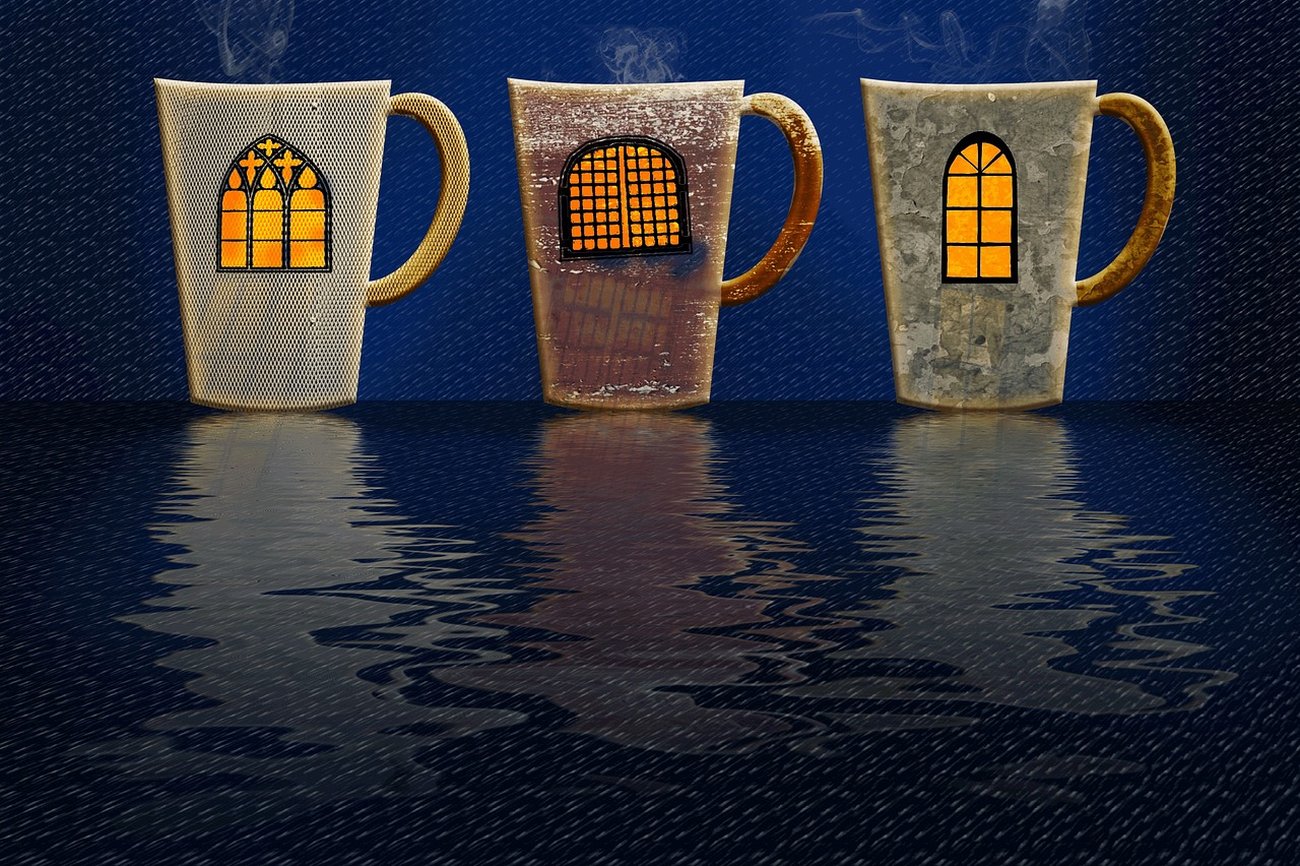
You can't pour from an empty cup. That phrase is a cliché because it's true. And yet we keep trying, keep scraping the bottom, keep wondering why we feel hollow and irritable and tired all the time.
What Rest Actually Looks Like
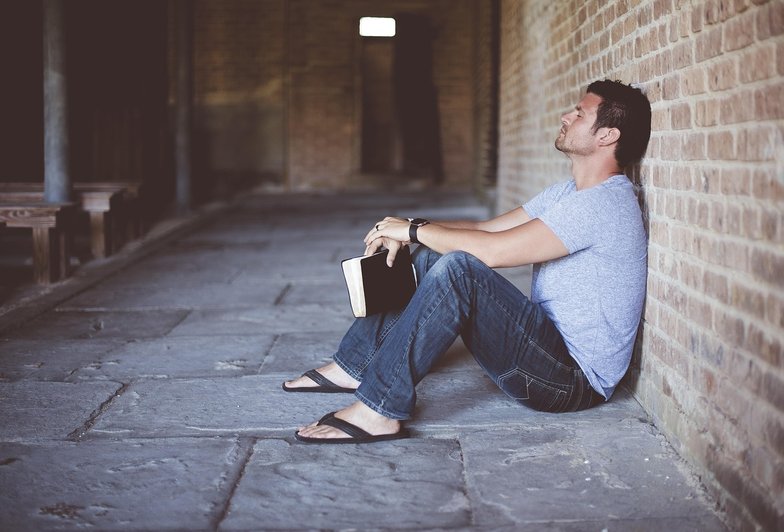
Rest doesn't always mean sleep. Sometimes it means staring out a window. Sometimes it means a long shower with no podcast playing. Sometimes it means saying no to a plan you don't have the energy for and yes to a nap you actually need.
The key is to stop treating rest as something you have to justify. You don't need a reason. You don't need to be sick or sad or overwhelmed. You're allowed to rest simply because you're a human being with a body and a nervous system and a heart that's been beating since before you were born.
Start small. Ten minutes of doing nothing. A walk without a destination. A morning where you don't check your phone until after breakfast. Notice how it feels. Notice the guilt, if it comes. Let it sit there. It doesn't get to make your decisions anymore.
Rest is not the opposite of a good life. It's part of one.





I spent years treating rest like a reward I hadn't earned, until my body finally taught me otherwise.
Optimism isn't a personality trait—it's a practice, and like any practice, it gets easier with repetition.
In a world that often feels cold, I keep finding evidence that most people are quietly, stubbornly good.
A tiny sunrise habit turned my default dread into quiet anticipation, and it costs nothing but five minutes.
Optimism grows fastest when we share it, and the smallest gestures often land the hardest.