




The Five-Minute Morning Ritual That Rewired My Outlook
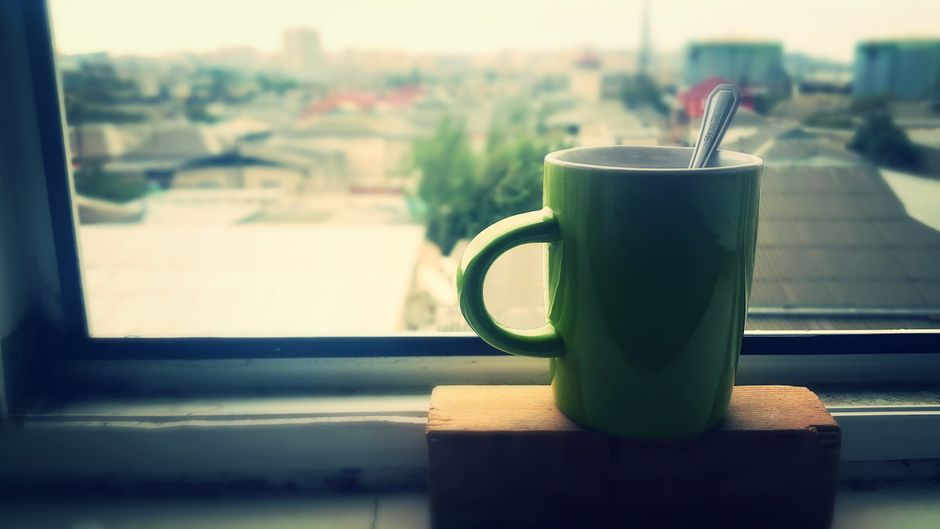
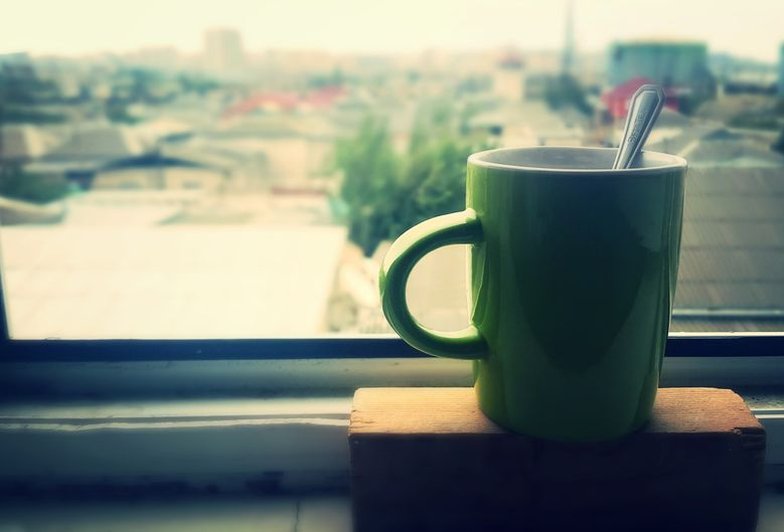
For years, my mornings began the same way: alarm, groan, phone, scroll, dread. I told myself I simply wasn't a morning person, as if that were a fixed star in my personality rather than a habit I'd never bothered to change. Then one gray Tuesday, tired of starting every day already behind, I tried something almost embarrassingly small. Before touching my phone, I would open the blinds, take five slow breaths, and name one thing I was looking forward to. That was it. No journaling marathon, no cold plunge, no 4 a.m. wake-up call.
The first few days felt silly. But by the end of the week, something had shifted. The dread was still there some mornings, but it had less room to stretch out. I began noticing the light changing on the kitchen wall, the particular quiet before the neighborhood woke up. Optimism, I realized, wasn't a personality trait I'd been denied at birth. It was a muscle, and this was my first rep.
Why Small Beats Grand
We tend to believe change requires dramatic gestures, but dramatic gestures are exactly what exhausted people abandon by Thursday. A five-minute ritual survives bad sleep, busy seasons, and low motivation. It asks almost nothing, which is precisely why it keeps happening.
There's also something powerful about the timing. What you do in the first minutes of the day tends to set the emotional tone for everything after. Reach for your phone and you've handed the morning's first word to strangers, headlines, and inboxes. Reach for the window instead, and you've claimed it for yourself. I'm not anti-technology, but I've learned that whoever gets my attention first gets to shape my mood.
Naming one thing to look forward to retrains a quieter skill too: noticing. Optimism isn't pretending everything is fine. It's the practice of spotting what's genuinely good, even on ordinary days. A call with a friend. Leftover soup for lunch. The library book waiting on the nightstand. Small yeses, stacked up.
Making It Stick
If you want to try this, keep it almost too easy. Put your alarm across the room so you have to stand up. Keep a note by the window that says "breathe, look, name one thing." If five minutes feels like too much, start with two. The goal is not productivity. The goal is to begin the day as a participant rather than a bystander.
Some mornings I still fail. I grab the phone, I spiral through news, I start the day grumpy. The ritual isn't magic and it doesn't demand perfection. It just waits for me the next morning, patient as sunrise, ready to try again. That, I've come to believe, is what optimism actually looks like: not a permanent state, but a daily return.
Five minutes. A window. One small thing to look forward to. It's not much, but it changed my mornings, and mornings, it turns out, are most of a life.







A tiny sunrise habit turned my default dread into quiet anticipation, and it costs nothing but five minutes.
Optimism grows fastest when we share it, and the smallest gestures often land the hardest.
Real optimism isn't denial, it's a set of moves you can make when everything feels heavy.
The richest optimism lives in dish soap, dog walks, and the sound of rain on a roof.
When I signed up for something I was terrible at, I accidentally found the secret to staying hopeful.