




Starting Over at 47: What a Beginner's Mind Taught Me About Hope
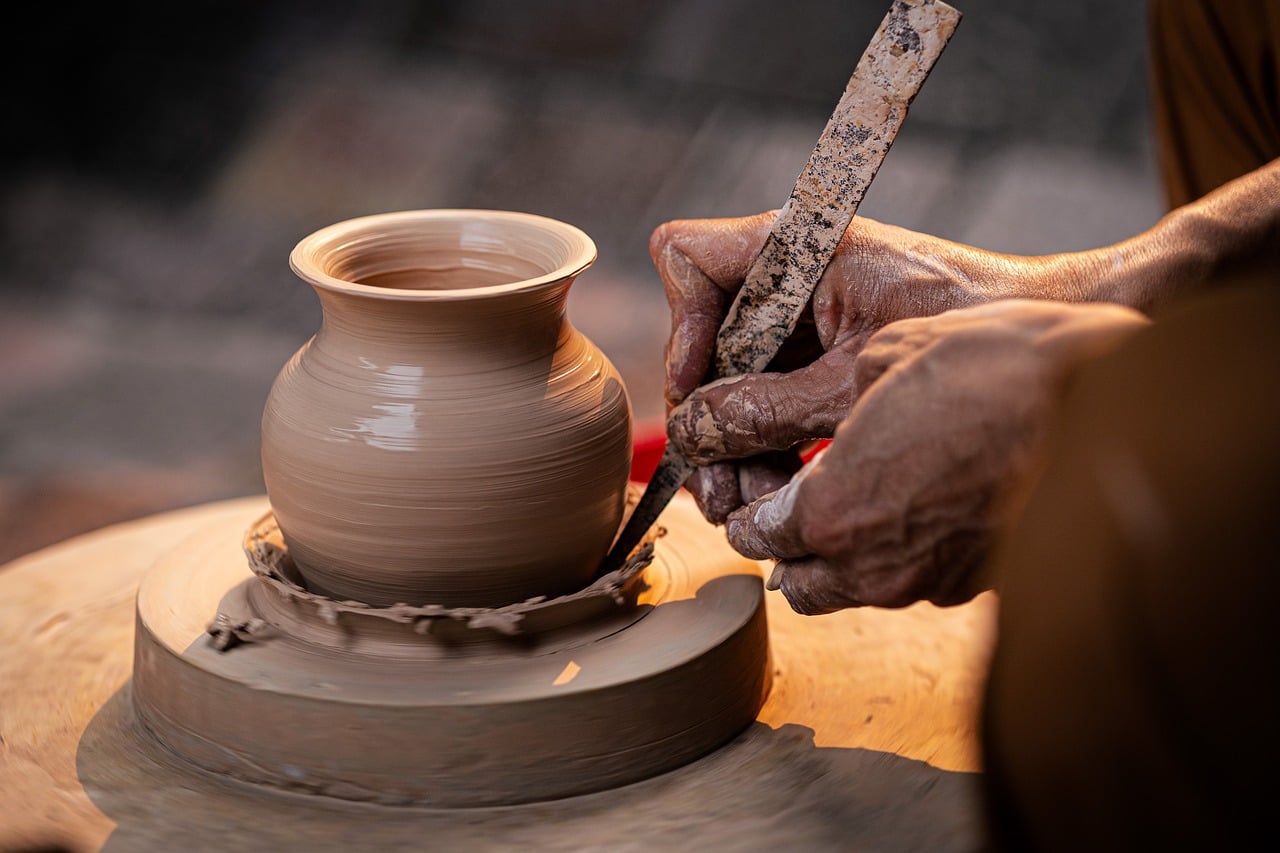
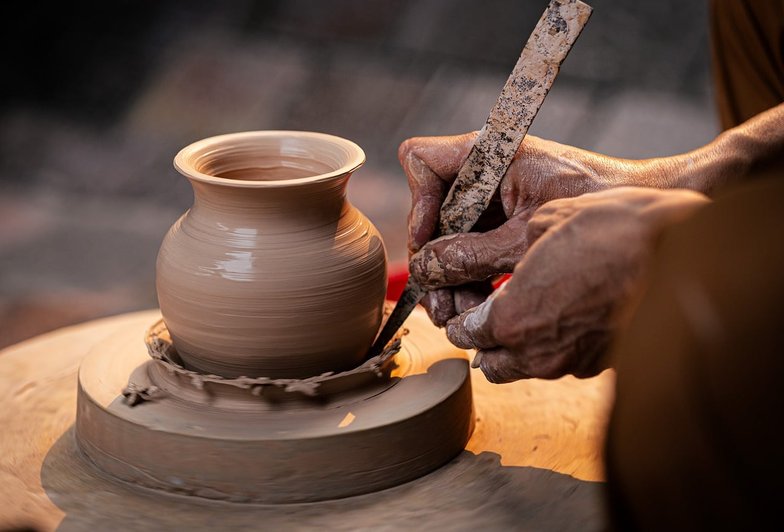
At 47, I signed up for a beginner's pottery class, and I was spectacularly bad at it. My first bowl looked like a collapsed hat. My second looked like a collapsed hat that had been through something. Around me, retirees and teenagers alike produced smooth, centered vessels while I wrestled clay into submission and lost. And yet, walking out of that studio each week, I felt more hopeful than I had in months.
I couldn't figure out why at first. I was failing, visibly and repeatedly. Shouldn't that be discouraging? But somewhere between the third and fourth week, I understood. I wasn't failing. I was learning, and learning, it turns out, is one of the most hopeful things a human being can do.
The Case for Being a Beginner Again
As adults, we tend to sort ourselves into things we're good at and things we're not. We stick to the first category and quietly mourn the second. Somewhere around 30, most of us stop trying new things in public, because the risk of looking foolish feels too high. But that caution has a cost. It narrows our world, and a narrowed world feels smaller and less possible every year.
Being a beginner flips that. It reopens the map. When you're new at something, every session contains a small discovery. Your hands get steadier. Your eye gets sharper. You notice progress that would be invisible to anyone else, and that noticing is fuel. Hope, I've come to believe, is not a feeling that arrives from nowhere. It's the natural byproduct of seeing yourself improve, even slightly, at something that once felt impossible.
The class also gave me a gift I didn't expect: a room full of people who weren't competing. Everyone was there to learn, and the shared awkwardness made us kind to each other. I realized how rarely I'm in spaces like that. Most of my life is optimized for performance. This was optimized for trying, and trying, it turns out, is much more fun.
You Don't Have to Be Good at It
If you want to try this, here's my advice: pick something you have no intention of mastering. Learn three chords on the guitar and stop there. Take a painting class and throw the painting away. Join a community choir even if you sing like a foghorn. The goal is not skill. The goal is the feeling of being a person who is still growing, still curious, still willing to look silly in a room.
There's a particular kind of hope that comes from this. Not the naive hope that everything will work out, but the sturdier hope that you are not finished yet. That the story has more chapters. That at 47, or 67, or 87, you can still sit down at a wheel and make something that didn't exist before, even if it looks like a collapsed hat.
My bowls have gotten rounder. Not great, but rounder. More importantly, so has my sense of what's possible. The wheel keeps spinning. The clay keeps teaching. And every week, I go back.




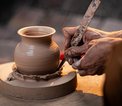

When I signed up for something I was terrible at, I accidentally found the secret to staying hopeful.
When I started noticing the sky again, I realized how much beauty I'd been walking past without seeing.
I used to think friendship required grand gestures until I realized the smallest ones were keeping me alive.
I spent years treating rest like a reward I hadn't earned, until my body finally taught me otherwise.
Optimism isn't a personality trait—it's a practice, and like any practice, it gets easier with repetition.